
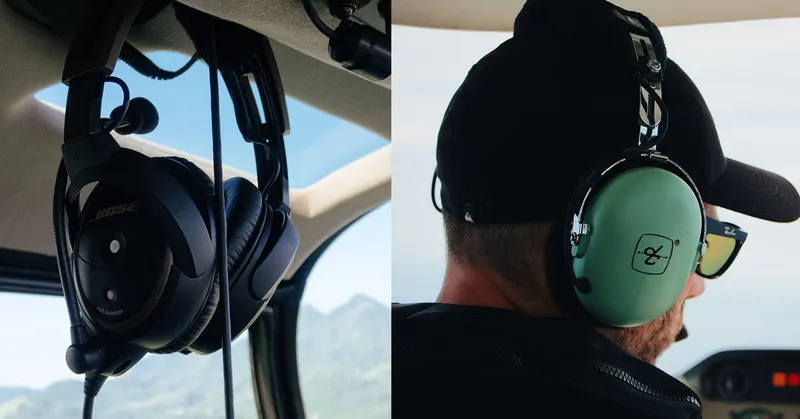
“Huh? What? Was that for us?”
This conversation happens every day in cockpits with pilots who have hearing loss.
Do not let this be you.
There is a large selection of headsets available that offer hearing protection.
As a pilot, you need to understand the different types of headsets available and the two primary noise reduction technologies.
Many friends and flight students have asked me for my recommendations and help to decide which headset they should purchase. I have used passive and active noise reduction headsets for my 4000 hours as a student, flight instructor, and airline pilot. This article highlights the pros and cons of each, plus my recommendation for each type of pilot.
The Two Kinds of Noise Reduction. Passive and Active
First, you should understand the difference between active and passive noise reduction.
Passive Headsets
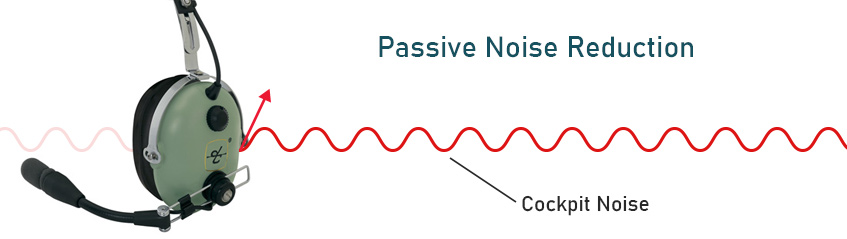
All headsets provide passive noise reduction. The passive reduction is blocking sound waves and blocking noise from the physical piece of equipment.
A passive headset blocks sound waves by creating a seal around the ear and limiting the amount and strength of sound waves. It works similar to closing a door which reduces the noise coming from noisy kids down the hall.
Active Noise Reduction
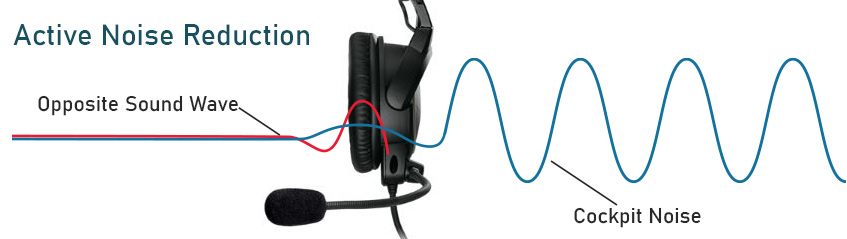
ANR uses passive noise reduction, then adds an additional layer of noise reduction technology. Remember that sound travels in waves. Active noise reduction headsets use a microphone to detect the incoming ambient noise. Using this data, the speakers inside the headset provide an opposite sound wave or anti-phase to cancel the incoming noise. It creates a sound that blocks the incoming sound waves from reaching your eardrum.
Active noise reduction headsets use this anti-phase technology combined with the passive noise reduction from the seal around the ear resulting in much lower decibel levels.
Now that you know how the difference and how the headsets work, let’s compare the two major kinds of headsets comparing facts, studies, and my personal experience using a David Clark H10-13.4 passive headset and a Bose A20 active noise reduction headset.
Active Noise Reduction Headset Advantages
Sound and Hearing Loss Prevention
The primary feature of active noise reduction headsets is reducing noise and harmful decibel levels. The most popular ANR headsets do a wonderful job reducing the amount of dangerous decibel level noise.
Hearing loss is a problem affecting millions of people. First, high frequencies will disappear, then conversations will become difficult, and music will never sound as good. Hearing loss and damage is permanent. Once it goes, it will never come back. That is why hearing protection is so important.
According to a 2015 medical study*, there is a high correlation between professional pilots, hearing loss, and flight hours. Those with many hours have high rates of hearing loss. Unfortunately, hearing protection wasn’t understood in the earlier days of aviation.
The study noted that the greatest danger is for helicopter pilots. They experienced the highest rates of hearing loss. Active noise reduction headsets reduce the decibel level in the loudest helicopter cockpits to safe levels.
Comfort and Usage
The advantages are more than hearing protection. My longest days flying go for over 8 hours in one day. Using the Bose A20, I avoided fatigue from having a quiet cockpit the whole day. The seal feels comfortable and does not get sweaty around my ears, even when flying in a hot cockpit in the south on summer days.
Reducing fatigue from having a comfortable active noise reduction is critical for me. When flying multiple days in a row for many hours, ANR reduces my overall fatigue, and I come home less tired. That makes me a happier guy. Plus, I think my wife is happier to see me come home when I don’t complain about my 4-day trip.
High-Quality Build and Life
My experience with the Bose A20 customer service was fantastic. While the price is high, I knew that I was also buying an industry-leading warranty. During a flight in the airliner, my microphone stopped working. I had to call maintenance to lend me a regular, old passive noise reduction headset.
Meanwhile, I contacted Bose. That day they sent me a pre-paid label to ship my headset to them for repair. Two weeks later, they returned my headset fully fixed. They replaced the failed part and even replaced the earpads and cords. It felt like they gave me a new headset. I was blown away by the customer service.
For the next trips, while waiting for my headset, I used the old passive headset lent from maintenance. It was a dramatic difference compared to the Bose A20s. I felt more tired and uncomfortable from the tight clamp on my head. My first flight back with my Bose headset was a night and day difference.
Most active noise reduction headsets come with a good warranty and built with high-quality parts and materials. If you treat them well and keep them in a protective case, you should get many, many years of use before needing a new one.
Cons of Active Noise Reduction Headsets
The Cost
They are more expensive. Typically, by at least double. The Bose A20 costs around $1,000. That price is much higher than an entry-level passive David Clark headset for $320.
The costs in aviation are already high. For new pilots who spend lots of money on flight instructors and flight time, an EFB, and other equipment, buying a thousand-dollar headset may be out of reach.
For CFIs, they offer a program discounting the cost of the Bose A20.
Pros for Passive Headsets
The Cost
The best advantage of passive headsets is the cheaper entry-level cost. For around $300, any pilot can get a great quality headset that will protect their hearing and last for years.
Some headsets can be had for less while still providing adequate passive noise reduction to prevent long term hearing damage.
High-Quality and Durable Build
There is a reason nearly every pilot will use a David Clark at some point in their careers. They have been around forever and are well built. I have seen 30-year-old David Clarks still operating just fine. When most things don’t last long it is great to see a company manufacture great products that last for many years.
Cons of Passive Headsets
Comfort
Ultimately, most passive headsets just are not as comfortable compared to active noise reduction headsets. Even while the ANR technology is turned off, they lack the premium materials, lightweight, and additional padding and comfort features. For short flights and those who do not fly often, this won’t be as important. But, for me as a professional pilot flying many hours, it makes a big difference.
Noise Levels
The only noise protection with passive headsets is the tight seal around the ears. To provide a safe level of hearing protection, some manufacturers rely on an extra tight seal which means a tighter grip on the head. For me, that turned into headaches after wearing these headsets for many hours.
The Winner
For Professional Pilots: Active Noise Reduction
My recommendation for all professional or aspiring professional pilots is to choose an active noise reduction headset. Yes, they are expensive. But they are worth the investment.
If you fly 800-1000 hours a year, you should be comfortable and protect your long-term hearing. Feel free to go cheap on your pants, tie, shoes, or flight bag. But proper hearing protection from a comfortable and easy to use headset is the easiest way to improve your flying enjoyment.
If you are an aspiring professional pilot and you know long flying days are in your future, it is best to get a highly rated active noise reduction headset. I chose the Bose A20 because of the great reviews, battery life, comfort on my head, powerful noise reduction, and the TSO certification. That means it will be allowed by the FAA for all types of operations. Before buying a headset, confirm that it is approved for use in airlines and other professional cockpits.
For Casual Flyers: Active Noise Reduction or Passive Noise Reduction Headsets
My recommendation is still active noise reduction headsets. However, if you only fly occasionally, a passive noise reduction headset will suffice. An entry-level David Clark will last decades and provide proper hearing protection every time you go fly.
Please always use proper hearing protection and use it correctly. You don’t want to ruin your hearing. So many of the previous generation of pilots using outdated technology suffer from cochlear damage.
Hearing loss affects their everyday life. Music sounds different and conversations are hard to hear. Plus, it poses a safety risk in the cockpit. If you can’t make out sounds, it will be harder to hear important ATC communication and communication with the other pilot.
There is a myth that noise reduction limits the ability to hear conversations. That is not true. It mostly blocks out the higher decibel noises, which will make the voices easier to hear. That creates a safer cockpit environment and a life where you will always have great hearing.
A ramp environment is a dangerous place for damaging noises. The average decibel level from a running APU is 113Db. That is well above the range for hearing damage. Walkarounds and time spent on the ramp are enough to cause long-term hearing damage too. Don’t neglect to use proper hearing protection when outside of the cockpit.
Conclusion
At the risk of beating a dead horse, you must have proper hearing protection!! Just ask anyone you know who has suffered from hearing loss, they will be mad they didn’t take it more seriously when they were younger. It is permanent damage to your inner ear.
Investing in a proper, well-built headset is the best way to ensure you have a safe and enjoyable flying career. As a professional airline pilot flying up to 1000 hours per year, I can’t imagine using anything except the best possible product. It has made my flying life easier and more enjoyable.
That is why I always recommend an active noise reduction headset for long-term, safe, enjoyable flying.
*https://www.ncbi.nlm.nih.gov/pmc/articles/PMC5782980/
Our Top 3 Active Noise Reduction (ANR) Aviation Headsets

Bose A20 Aviation Headset
SKU: 11-7424
Industry-leading noise reduction with Bluetooth connectivity, exceptional comfort, and a fantastic warranty. The go-to choice for professional pilots.
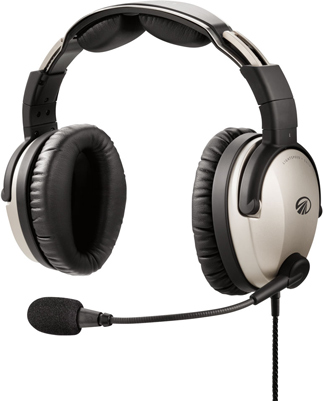
Lightspeed Zulu 3
SKU: 11-11329
Premium ANR headset with Bluetooth audio, plush ear seals, and a lightweight magnesium frame. Known for outstanding comfort and audio quality.

David Clark ONE-X ANR Headset
SKU: 11-11036
David Clark’s flagship ANR headset combines their legendary durability with advanced noise cancellation and Bluetooth capability.
Our Top 3 Passive Aviation Headsets

David Clark H10-13.4
SKU: 11-640
The gold standard for passive headsets. Proven durability, excellent noise attenuation, and built to last decades in any cockpit environment.

Telex Echelon 20 Headset
SKU: 11-4606
Ultra-lightweight passive headset designed for commercial and business aviation. Comfortable enough for long flights with solid noise reduction.
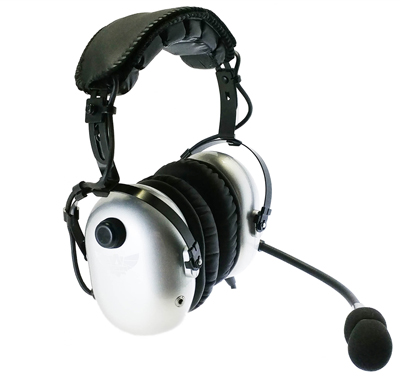
AV COMM AC900HD Headset
SKU: 11-12822
An excellent value passive headset with gel ear seals and quality construction. Great for student pilots and budget-conscious flyers.